
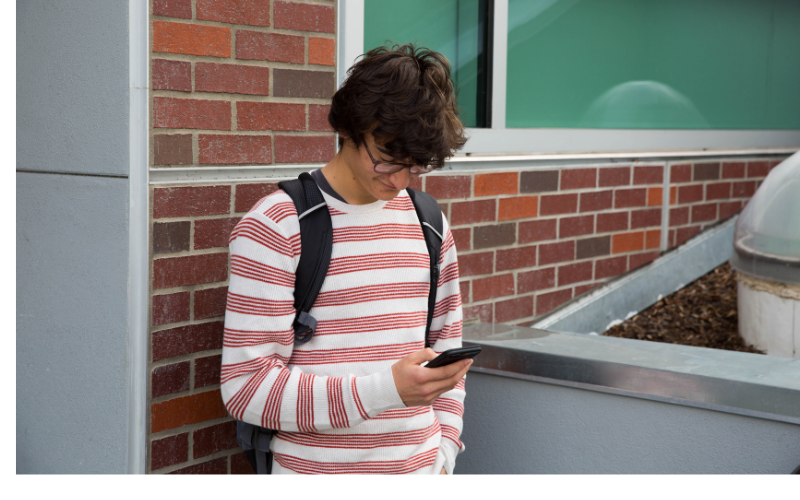
In the past several years, about three dozen states have instituted phone bans in schools, and more are likely to follow. These bans have been trumpeted as game changers. Anecdotal reporting points to more books being checked out from school libraries and more students engaging with one another in the hallway. "How the Phone Ban Saved High School," reads one headline. At the same time, respected academics have suggested that the arrival of phones in schools is linked to large test score declines in countries around the world.
It was, therefore, surprising to many people when a paper this week showed that phone bans had a very minimal impact on student behavior and academics in a nationwide sample of schools. Phone usage went down, and teachers liked the policy (all good), but test scores didn't change much, disciplinary infractions increased in the short term and there was no demonstrable effect on bullying or student attention. Basically, not much changed.
This finding should not have been as surprising as it was. Based on what we know about phones and education, it is not realistic to expect phone bans to have enormous impacts on academic outcomes. But that doesn't mean that they are a bad idea, or that they should be walked back. Instead, we need to approach this topic with more realistic expectations, a richer approach to what counts as a positive outcome and more help for families and schools.
Full op-ed by Emily Oster in the New York Times