Fellowship Spotlight: Enhancing School-Based Mental Health Evaluation in a Large Urban School District
During the 2022-23 school year, the Youth Policy Lab (YPL) launched a three-year evaluation in 84 schools within a large urban school district to assess the implementation and effectiveness of the TRAILS Early Intervention program (TRAILS-EI). This school-based program aims to enhance the social and behavioral outcomes for students experiencing depression and anxiety symptoms by encouraging the use of evidence-based practices, with the ultimate goal of boosting academic performance. TRAILS-EI focuses on improving awareness and understanding of mental illness, enhancing the accurate and timely identification of students with mental health concerns, and encouraging students to seek help more actively.
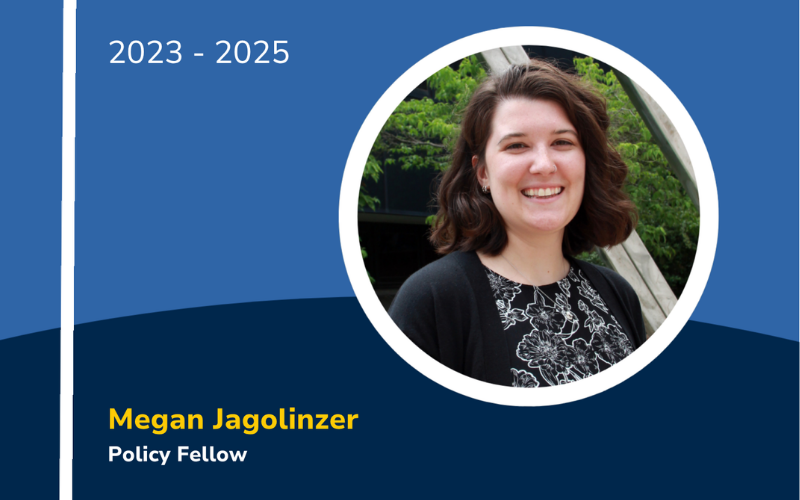
However, coordination with the school district was a challenge during the pilot year of the study. A fellowship position was created in 2023 to serve as a designated liaison between YPL, TRAILS, and the district. By integrating a fellow into the schools' central office, YPL hoped to gain a better understanding of the implementation context at the district and complete data collection and other research activities more effectively. Megan Jagolinzer was hired as a Data and Policy Fellow in September 2023 after completing her Master's in Social Work with a concentration in Child and Family Welfare. Prior to this role, Megan worked in youth development organizations in Ann Arbor and Detroit. Through her graduate education and direct service work with youth, Megan gained training and experience in evidence-based mental health practices such as Cognitive Behavioral Therapy (CBT) and Motivational Interviewing. Megan also brought with her prior exposure to the TRAILS Social Emotional Learning Program. Megan was tasked with supporting YPL's student and staff data collection efforts, providing regular study updates to YPL staff, and supporting communication between the school district and YPL.